






One of Egypt’s most influential platforms for nation branding, the Narrative Summit, has released its 2025 recommendations outlining new pathways to revitalize and strengthen Egypt’s standing as a world-class tourism destination. The ninth edition of the Summit, held in April in Soma Bay on the Red Sea, convened government ministers, international business leaders, and tourism experts to explore strategies to drive growth, attract foreign investment, and highlight Egypt’s competitive edge.
The Summit reaffirmed that tourism remains one of Egypt’s strongest competitive advantages, built on a heritage and cultural legacy unmatched worldwide. Among the recommendations was a stronger push for luxury and innovative offerings, most notably eco-tourism, which can appeal to new markets by showcasing destinations such as Siwa Oasis. The Summit also identified wellness tourism as a rising opportunity, blending healthcare improvements with economic development.
Another key recommendation was the revitalization of Downtown Cairo as a vibrant, integrated entertainment and tourism hub that reflects Egypt’s heritage. The model could later be extended to other neighborhoods, including Zamalek, Garden City, and Maadi, reinforcing their appeal to both domestic and international visitors.
Complementing these urban development initiatives, the recommendations highlighted the anticipated opening of the long-awaited Grand Egyptian Museum as a once-in-a-generation opportunity to reshape Egypt’s image on the global stage. With world leaders and international media expected to attend, the Summit stressed the importance of leveraging the event to reinforce Egypt’s status as a leading global tourism destination.
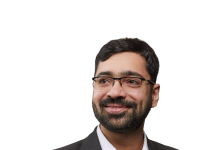
“We want to put forward a clear, future-focused vision for Egyptian tourism, one that positions the country as a truly integrated global destination,” said Lamia Kamel, Founder of Narrative Summit, former Assistant Minister of Tourism for Promotion, founder of CC Plus. “Through this report, we are sharing actionable recommendations that can guide decision-makers, helping to transform insights into tangible opportunities for growth.”
Kamel also underscored the role of the recommendations in connecting insights to action, stating: “We look forward to these recommendations serving as a bridge between the exceptional leaders who took part in the Summit and decision-makers, paving the way for greater progress in Egypt’s tourism and economy.”
She went on to explain that the report is not just a collection of ideas but a functional roadmap, designed to translate the Summit’s discussions into practical steps that support Egypt’s tourism ambitions and economic advancement.
The recommendations further encouraged the promotion of lesser-known destinations, such as the Lighthouse of Alexandria, alongside Egypt’s iconic landmarks, through innovative international campaigns that strengthen Egypt’s image as a comprehensive tourism destination. To support creativity in tourism promotion, the Summit also called for simplifying filming procedures at scenic locations, enabling the production of artistic and musical works that enhance Egypt’s positive global image.
Finally, the Summit projected that these recommendations, if adopted, could contribute to an increase of around one million tourists annually. This outlook is supported by ongoing reforms, including streamlined visa processes, infrastructure development, and the rollout of major national projects, led by the Grand Egyptian Museum, which is described as one of the most remarkable cultural institutions the world has ever seen.